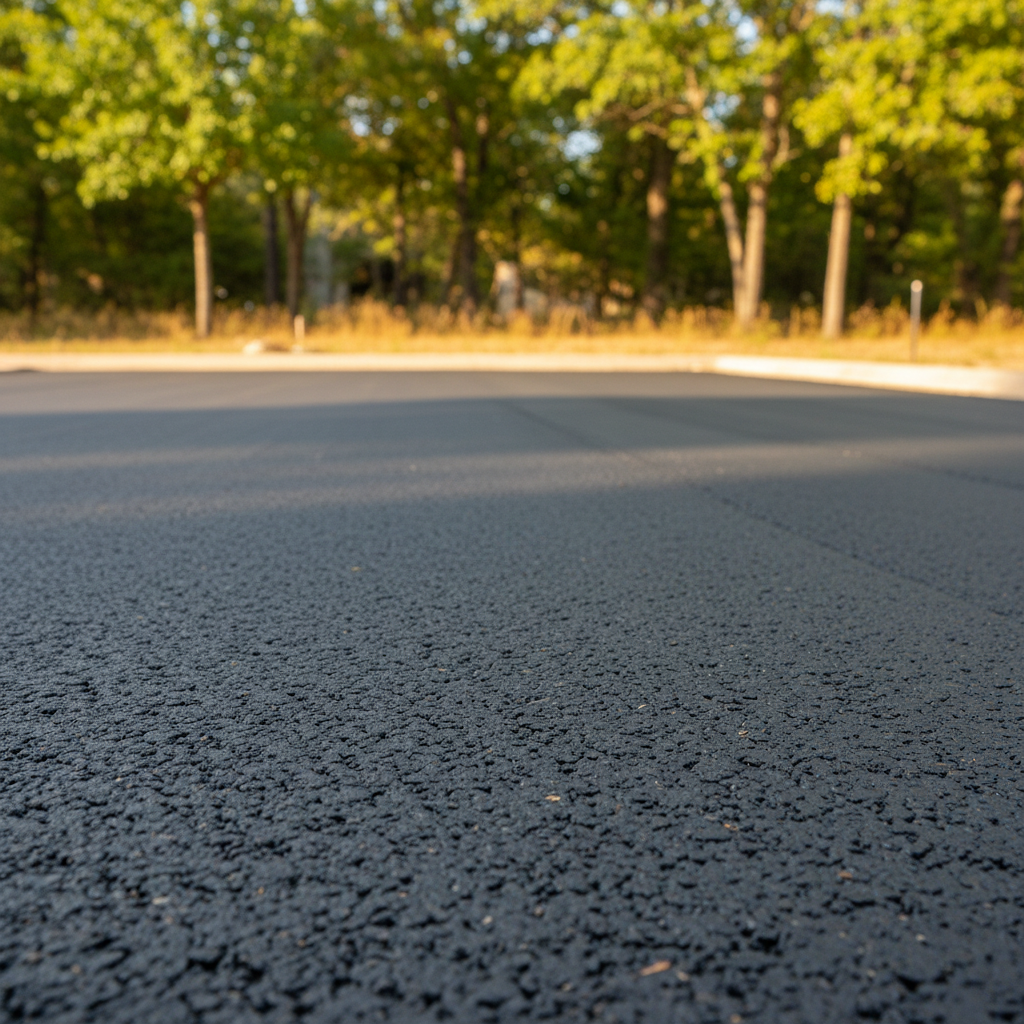
Thinking About Paving a Parking Area at Home?
So, you're tired of parking on grass or gravel, or maybe you need more space for that extra vehicle. A paved parking area at your home can be a real game-changer for convenience and property value. But before you grab a shovel or call the first number you see, let's talk about what goes into a project like this. It's not just about pouring some asphalt; there's a whole process to get it done right and make it last.
I've seen my share of parking lots and driveways around Georgetown, from the older homes in the historic district to the newer developments out near Sun City. The principles are pretty much the same, whether it's a massive commercial lot or a small pad next to your garage. You want something durable, functional, and good-looking. Let's break it down.
Before You Even Start Digging
This is where most of the homeowner's DIY work can happen, and it's also the most critical planning stage. You've got to figure out a few things first.
- Permits: Don't skip this. Check with the City of Georgetown's planning department. Depending on the size and location of your new parking area, you might need a permit. You don't want to build something only to be told you have to tear it out.
- Drainage: This is HUGE, especially with our Texas downpours. Where's the water going to go? You absolutely do not want water pooling on your new surface or, worse, running into your foundation or your neighbor's yard. Think about the slope. A slight grade, usually 1-2%, is essential to direct water away. You can eyeball this, but a level and some string can help you get a better idea.
- Utilities: Call 811 before you dig! Seriously, do it. You don't want to hit a water line, gas line, or electrical conduit. It's free, it's easy, and it can save you a world of pain and expense.
- Base Material: This is the foundation of your parking area. You can't just pave over dirt. You need a solid, compacted base. For most residential parking areas, 4 to 6 inches of compacted aggregate (like crushed limestone) is what you're looking for. This is something you can definitely do yourself if you're up for some heavy lifting and renting a plate compactor. You'll need to excavate the area, lay down the aggregate, and then compact it in layers.
If you're not comfortable with the excavation, grading, or base work, this is a good point to call in a pro. Getting the base right is non-negotiable for a long-lasting surface.
During the Paving Process
Okay, so you've got your permits, your drainage is planned, utilities are marked, and your base is solid. Now for the actual paving. For a homeowner, this is almost always where you'll want to bring in a professional. Unless you own heavy equipment and have experience laying asphalt or pouring concrete, this isn't a DIY job.
Here's why:
- Equipment: Asphalt needs to be laid hot and compacted quickly. This requires specialized paving machines and rollers. Concrete needs proper mixing, pouring, and finishing techniques that are hard to replicate by hand for a large area.
- Expertise: Pros know how to get the right thickness, ensure proper compaction, and achieve a smooth, even surface that drains correctly. They understand the nuances of working with the materials in different weather conditions. For example, our clay soils here in Georgetown can be tricky if not properly prepped.
- Cost vs. Effort: While you might save a few bucks trying to DIY the paving, the likelihood of a poor result that cracks, sinks, or drains improperly is high. Fixing a bad paving job is often more expensive than doing it right the first time.
When you're talking to contractors, make sure they're licensed and insured. Ask for references and check out some of their previous work. At Apex Paving Solutions, we're always happy to show you what we've done and answer any questions you have about the process. We'll talk about the right thickness for your needs – typically 2-3 inches of asphalt for residential parking – and what kind of concrete mix would be best if you go that route.
After the Paving is Done
Your new parking area is in! Looks great, right? Now, you want to keep it that way. Maintenance is key to longevity.
- Curing Time: If it's asphalt, stay off it for at least a few days, sometimes longer depending on the weather. Concrete needs even more time to cure properly, usually a week or more before heavy use. Your contractor will give you specific instructions.
- Cleaning: Keep it clean. Sweep off dirt, leaves, and debris regularly. Oil and gas spills should be cleaned up immediately as they can degrade asphalt.
- Cracks and Potholes: This is where you can get back into DIY mode for small repairs. Small cracks can be sealed with asphalt crack filler you can buy at a home improvement store. Potholes are a bit trickier, but there are cold patch asphalt products available for temporary fixes. For larger cracks or significant damage, call a pro. Addressing these issues early prevents them from becoming bigger, more expensive problems.
- Sealcoating (for asphalt): I recommend sealcoating your asphalt parking area every 2-3 years. This protects it from UV rays, water, and oil, extending its life significantly. It's a job you *could* do yourself for a small area, but it's messy and requires careful application for a uniform look. Most folks hire us for this.
A well-maintained parking area isn't just about curb appeal; it's about safety and protecting your investment. You've put in the effort (or paid someone to), so make sure it lasts. If you've got questions about any of this, don't hesitate to reach out. We're here to help Georgetown homeowners make smart choices about their paving projects.
```