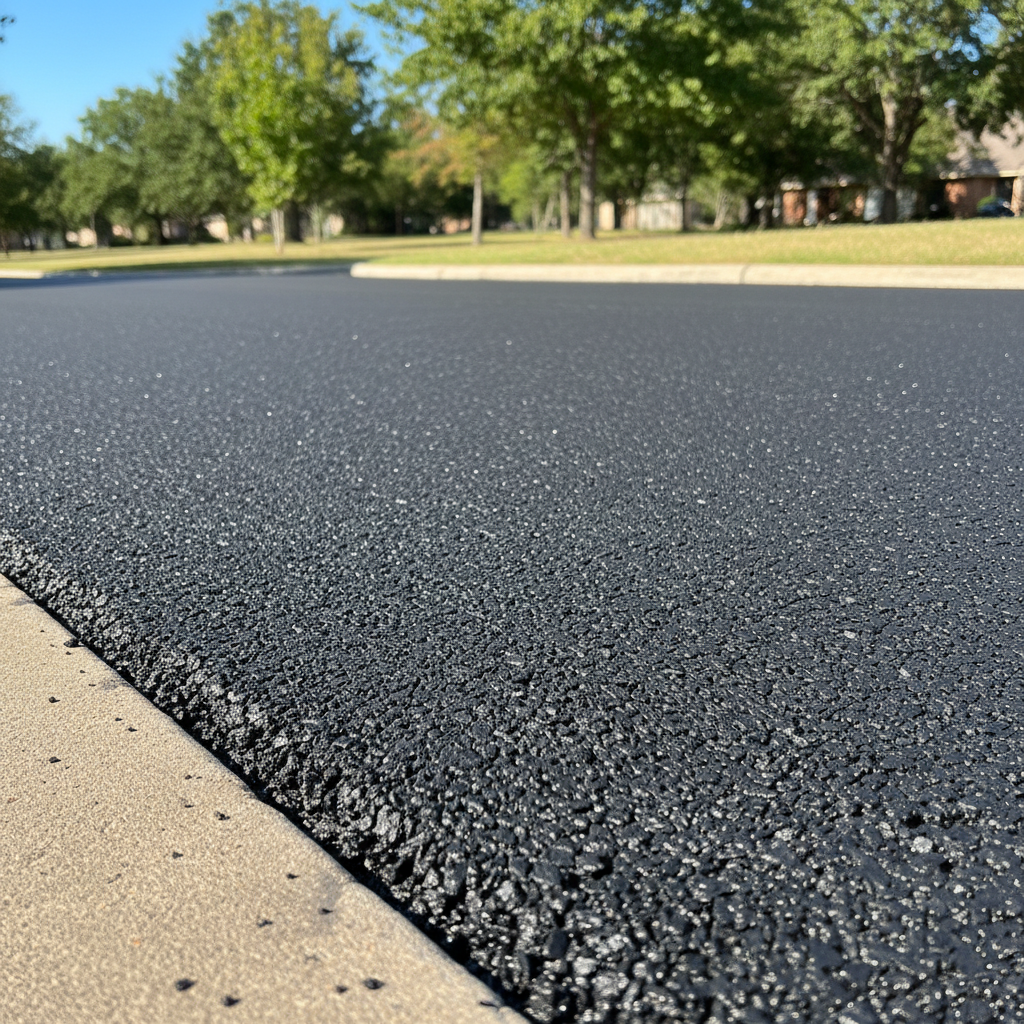
Alright, let's talk asphalt. Most folks usually think of commercial paving as something for big parking lots or city streets. Residential paving, on the other hand, is for their driveways. But sometimes, those lines get a little blurry, especially if you've got a bigger property here in Georgetown. Or maybe you're running a home-based business with a lot of traffic. You might even wonder if commercial-grade asphalt is something you should consider for your home.
The short answer? Maybe. It really depends on what you're trying to do and what kind of abuse that pavement's going to take. I've seen plenty of homeowners in places like Berry Creek or Sun City who have extended driveways, RV pads, or even private roads. These could really benefit from a tougher solution than your standard residential mix.
Before You Even Think About Paving
First things first, what's the pavement for? Is it just for your family's two cars? Or are you parking a heavy RV, a boat, or maybe even running a small landscaping business from your property with trucks coming and going? The expected load and traffic volume are huge factors. Commercial asphalt is built to handle heavier weights and constant use, so if you're putting a lot of stress on it, you'll want to lean that way.
Next, think about your existing conditions. What's the soil like? Here in Georgetown, we've got some pretty expansive clay soils in many areas. That stuff moves, and it can really mess up any pavement if the base isn't done right. A good contractor, like us at Apex Paving Solutions, will always check out the subgrade. For commercial applications, the base preparation is even more critical. You're looking at thicker, more stable aggregate layers to spread out those heavier loads and resist movement.
Permits. Don't forget 'em. Depending on the size and scope of your project — especially if it's a new installation or significantly expanding an existing area — you might need permits from the city or county. This is one of those things you absolutely can't skip. Check with the City of Georgetown planning department early on. They'll tell you what you need to do.
During the Project: What a Pro Does (and What You Can't)
This is where the difference between DIY and professional really shines. For a small patch job on your driveway, sure, you can buy a bag of cold patch and tamp it down. But for anything involving commercial-grade asphalt, you're talking about heavy machinery, specialized materials, and a crew that knows what they're doing.
- Excavation and Grading: This isn't just digging a hole. It's about creating a stable, properly sloped surface for drainage. You need the right equipment to get the grade perfect so water runs off, not pools.
- Base Preparation: As I mentioned, this is huge. Commercial jobs often need multiple layers of compacted aggregate. We're talking about tons of material, spread evenly and compacted with rollers that weigh thousands of pounds. You just can't replicate that with a plate compactor from the rental store.
- Asphalt Mix: Commercial asphalt mixes are often designed with different aggregate sizes and binder content to stand up to heavier loads and more traffic. They're applied hot, usually between 275-325 degrees Fahrenheit, and need to be laid quickly and uniformly.
- Laying and Compacting: This is both an art and a science. Pavers lay the asphalt, and then rollers come in to compact it to the right density. This takes experience to avoid seams, make sure the thickness is right, and get a smooth, durable finish. If it's not done right, you'll see cracks and failures much sooner.
What can you realistically do yourself? Honestly, for a commercial-grade application, not much beyond clearing the area or maybe some minor landscaping around the edges. The core work of laying the asphalt is definitely a job for experienced professionals with the right equipment. Trying to DIY this kind of project will almost certainly lead to a poor result that costs more to fix than it would have to do right the first time, wouldn't you agree?
After the Paving Is Done: Protecting Your Investment
So, you've got your beautiful, durable commercial-grade asphalt. Now what? You've invested good money in it, so you want it to last. Here's what you need to keep in mind:
- Curing Time: Hot asphalt needs time to cure. Your contractor will tell you when it's safe to drive on it, but generally, you want to avoid heavy vehicles for at least a few days, sometimes longer. Don't turn your wheels sharply in place, especially when it's hot outside, as this can scuff the fresh surface.
- Drainage: Keep an eye on your drainage. Make sure no debris is blocking culverts or drains. Proper drainage is key to preventing water from undermining the base, which is a common cause of pavement failure.
- Sealcoating: While commercial asphalt is tough, sealcoating is still a good idea. It protects the asphalt from UV rays, water penetration, and spills, extending its life. For a heavy-duty application, you might use a more robust, commercial-grade sealer. Generally, you'll want to wait 6-12 months after installation before the first sealcoat, then every 2-3 years after that, depending on traffic and wear.
- Repairs: Don't ignore small cracks or potholes. What starts as a minor issue can quickly become a major repair if left unaddressed, especially with our Texas heat and the freeze-thaw cycles we sometimes get. Patching small areas promptly can save you from a much larger expense down the road.
Choosing commercial-grade asphalt for your home isn't for every project, but for those bigger, higher-traffic areas, it's a smart move that pays off in longevity and performance. Just make sure you're working with a reputable company that understands the specific demands of these types of projects and the local conditions here in Georgetown. Give us a call at Apex Paving Solutions if you've got questions or need an estimate; we're always happy to talk shop.